Autism Spectrum Disorder (ASD) often paints a picture that is too narrow for many girls. While boys are frequently the headline actors in research and media, girls can hide their struggles behind a veil of “normalcy.” This article offers a clear, SEO‑optimized, and slightly humorous look at an autism symptom checklist for girls, helping you spot the signs early and act before the hidden challenges snowball into bigger problems.
---
Understanding the Unique Presentation of Autism in Girls
Social Camouflaging: A Silent Superpower
Girls on the spectrum frequently develop a knack for mimicking social cues. Think of it as a stealthy superhero power—no cape, just a master of “pretend play” and a keen eye for facial expressions. This camouflaging can mask difficulties that would otherwise surface in boys, such as trouble initiating conversation or maintaining eye contact.
Sensory Sensitivities: The Quiet Storm
While both genders experience sensory issues, girls may be more attuned to subtle environmental changes—like a faint perfume or the hum of a fluorescent bulb. These sensitivities can create a quiet storm inside, leading to meltdowns that are less obvious to onlookers.
---
Building an Autism Symptom Checklist for Girls
Creating a reliable checklist is like assembling a puzzle: each piece is a symptom, and together they reveal the full picture. Below https://writeablog.net/gertoncbul/h1-b-what-to-do-if-your-child-is-not-diagnosed-with-autism-after-assessment is a practical, evidence‑based list you can use at home or share with professionals.
Core Social Symptoms
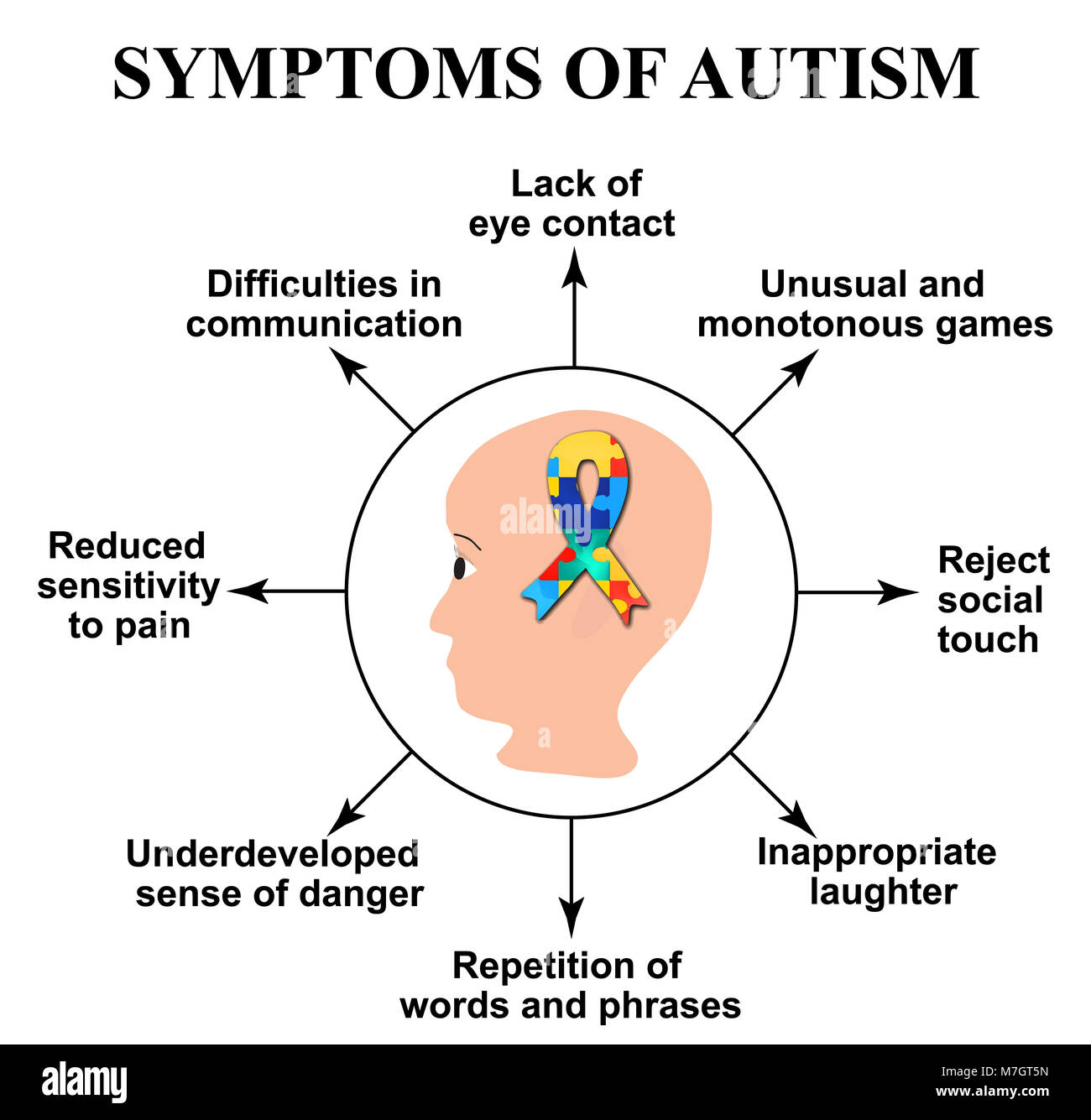
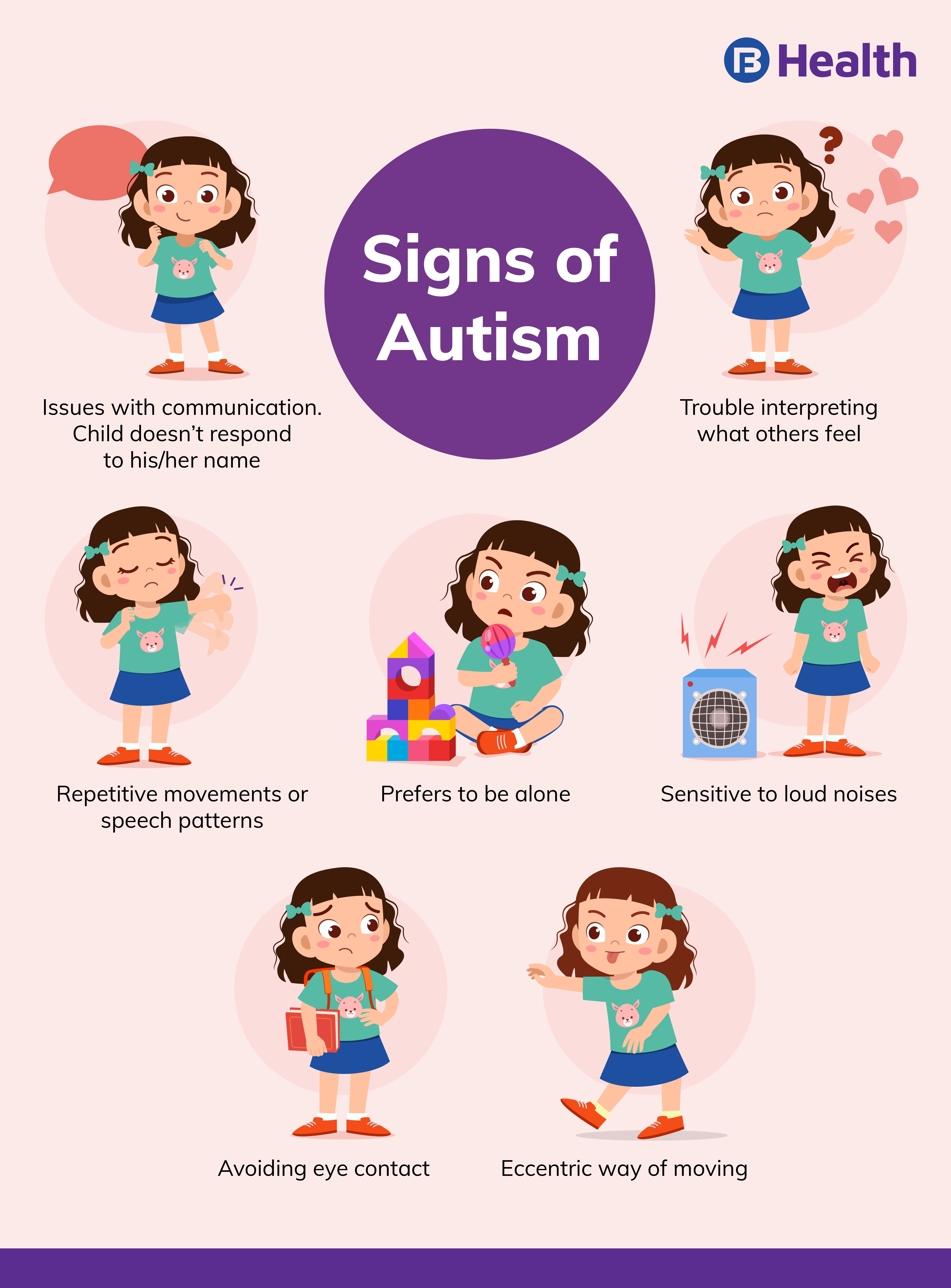
- Difficulty understanding social hierarchies Struggles with reciprocal conversation (e.g., taking turns speaking) Preference for solitary activities, even when peers are nearby
Communication Nuances
- Limited use of gestures or facial expressions Monotone or flat speech patterns Challenges with figurative language (e.g., sarcasm, idioms)
Repetitive Behaviors and Interests
- Intense focus on a narrow topic or hobby Ritualistic routines that are hard to deviate from Repetitive movements (hand flapping, rocking)
Sensory and Emotional Regulation
- Over‑reactivity to loud noises or bright lights Sudden emotional outbursts or meltdowns Difficulty coping with transitions (e.g., moving from school to home)
> “The first sign that a girl might be on the spectrum is often a subtle mismatch between her inner world and the outer expectations placed on her.” – Dr. Maya Patel, Pediatric Neurologist
---
How to Use the Checklist Effectively
Self‑Assessment vs Professional Evaluation
https://deanectp572.theburnward.com/autism-in-women-and-girls-mental-health-a-guide-to-understanding-and-supportStart with a gentle self‑assessment. Ask yourself: Do these symptoms feel familiar? If the answers lean toward “yes,” schedule a professional evaluation. Remember, a checklist is a starting point, not a diagnosis.
Timing and Frequency
- Weekly Check‑Ins: Note any new or escalating symptoms. Monthly Review: Update the checklist, adjusting for developmental milestones. Annual Evaluation: A comprehensive assessment by a qualified specialist ensures that growth or changes are captured.
---
Real‑World Example: A Day in the Life
Morning Routine
Emma, 10, wakes up at 7:00 a.m. She follows a strict sequence: brush teeth, lay out clothes, check the calendar. A sudden change—like a new school lunch menu—creates a ripple of anxiety, forcing her to revert to her routine.
School Challenges
During group projects, Emma prefers to stay in the background. While classmates chat animatedly, she quietly observes, struggling to join the conversation. She often repeats the same phrase, “I need help with this,” to the teacher—an attempt at seeking support that falls on deaf ears.
After‑School Social Scene
At the park, Emma’s friends invite her to a game of tag. She hesitates, fearing the unpredictable nature of the game. Instead, she opts to watch from the sidelines, watching the laughter around her while feeling increasingly isolated.
---
When to Seek Professional Help
Red Flags and Early Signs
- Persistent difficulty in forming friendships Repetitive behaviors that interfere with daily life Sensory overload leading to meltdowns
The Role of Pediatricians and Specialists
Your pediatrician can screen for developmental delays. If concerns persist, a referral to a developmental pediatrician or child psychologist may be warranted. Early intervention programs can dramatically improve outcomes.
---
Supporting Families and Friends
Educating Loved Ones
- Share the checklist with teachers, coaches, and relatives. Offer resources on autism and gender differences. Encourage open conversations—sometimes the simplest “how are you feeling?” can open a dialogue.
Creating an Inclusive Environment
- Design sensory‑friendly spaces (soft lighting, quiet corners). Foster a culture of acceptance, where differences are celebrated, not stigmatized. Use visual schedules to provide structure and predictability.
---
Empowering the Journey
An autism symptom checklist for girls is more than a diagnostic tool; it’s a roadmap to empowerment. By recognizing the subtle signs early, you give your child—and yourself—the chance to thrive. Remember, the goal isn’t to “fix” but to support, celebrate, and understand.
*Are you ready to turn the hidden clues into actionable steps? Start today, and let the journey to understanding begin.*