When a child’s gaze wanders like a lost tourist, it can feel like watching a movie with a missing scene. Parents often notice that their little ones seem to “get lost” when it comes to sharing attention with others—a hallmark of joint attention. But what does that actually mean, and why is it a red flag for autism? This article walks you through the key autism signs in children who have difficulty with joint attention, offers a handy checklist, and shares practical strategies to help your child shine.
Understanding Joint Attention
What Is Joint Attention?
Joint attention is the shared focus on an object or event between two people. Think of it as a duet where both partners are tuned to the same rhythm. In typical development, children quickly learn to follow a caregiver’s gaze, point, or gesture and then look back to confirm that they’re on the same page.
Why It Matters
When joint attention works smoothly, it lays the groundwork for language, social bonding, and learning. A child who can effortlessly share attention is more likely to pick up new words, understand context, and engage in play. Conversely, when a child struggles with joint attention, the social “dance” can feel off-beat, making it harder to build connections and learn from others.
Key Autism Signs in Children with Joint Attention Challenges
Lack of Eye Contact
A common sign is minimal eye contact. While some children may avoid staring, others might look away quickly or seem to be looking at a “phantom” spot. This isn’t about shyness—it’s a cue that the child isn’t engaging in the mutual gaze that fuels communication.
Difficulty Sharing Attention
If your child watches a toy but doesn’t look back when you point at it, or if they ignore your gestures, it suggests a gap in shared focus. It’s like being at a party where everyone else is dancing to the same beat, but your child is still stuck in a solo routine.
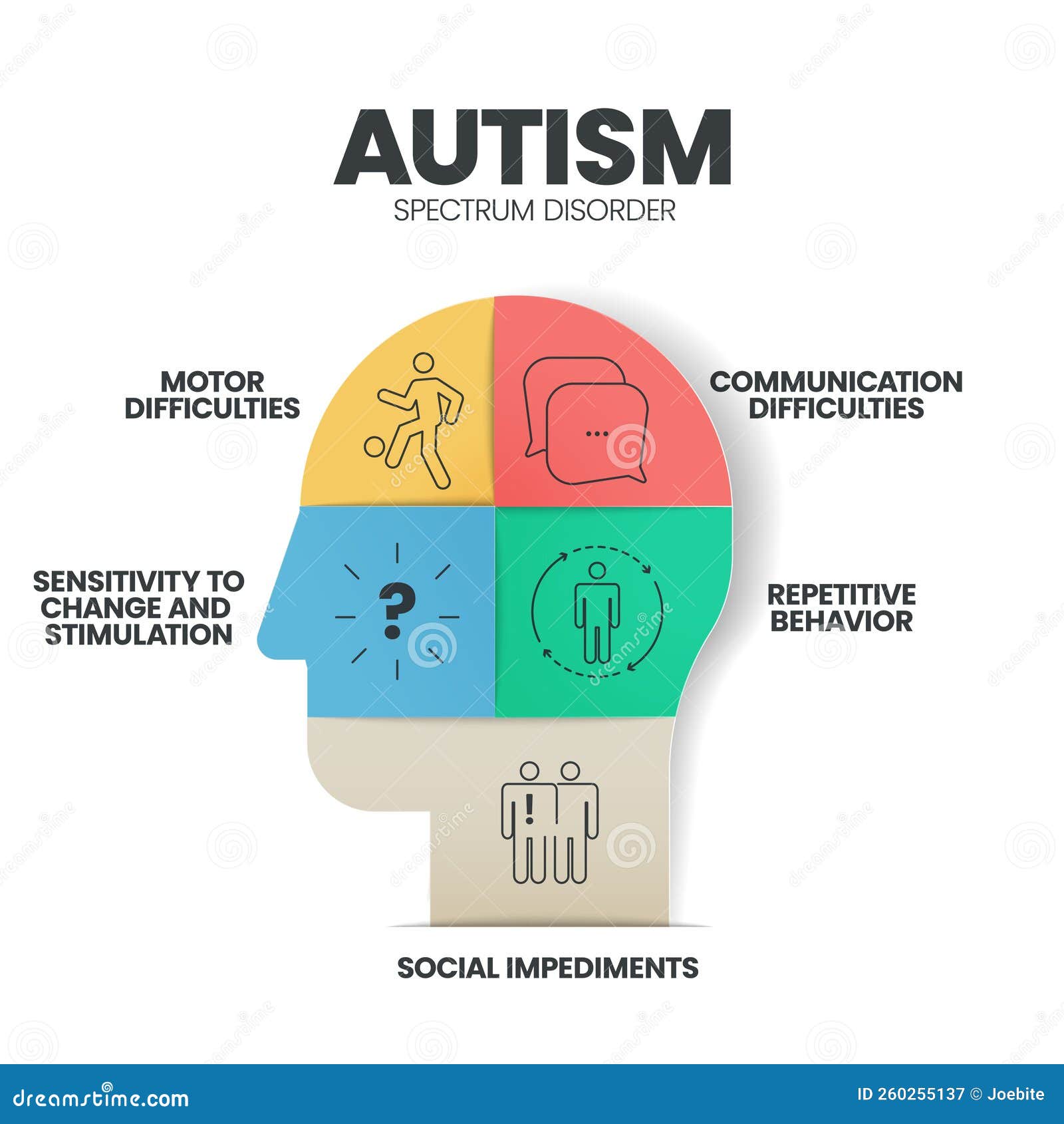
Repetitive Behaviors
Repetitive actions—such as hand-flapping, spinning, or lining up objects—can mask the underlying difficulty in sharing attention. These behaviors often provide comfort when social cues feel overwhelming.
Language Delays
When joint attention falters, language acquisition can stall. Children may have a limited vocabulary or struggle to use words in context. It’s as if their internal dictionary is missing the page that explains how words connect to shared experiences.

Early Warning Signs: A Checklist
- Avoids or briefly breaks eye contact when you talk to them. Fails to follow your gaze toward an object or event. Does not look back when you point or gesture. Shows intense focus on a single object and resists shifting attention. Repetitive movements or routines that seem to replace social interaction. Limited or delayed use of words to describe shared experiences.
If you tick more than two boxes, consider a professional evaluation.
A Real-Life Anecdote
Last spring, I met Maya, Helpful hints a six‑year‑old who loved building blocks but never looked up when her mother pointed to the tower she’d just built. “I wish I could see her look at me,” her mother sighed. Maya’s story is a classic example of a child with joint attention challenges. After a brief assessment, her parents were guided to a speech‑language pathologist who introduced simple eye‑contact games. Within weeks, Maya’s eyes would meet hers, and she began using words to describe her creations. It’s a reminder that early support can turn a quiet block tower into a vibrant storytelling stage.
> “The first step toward understanding is noticing what’s missing,” says Dr. Elena Ramirez, a developmental pediatrician.
When to Seek Professional Guidance
- Persistent lack of eye contact or failure to follow gestures. Limited language use despite normal hearing and cognitive ability. Repetitive behaviors that interfere with daily life. Social withdrawal or difficulty engaging with peers.
If you notice these patterns, reach out to a pediatrician or developmental specialist. Early intervention can make a world of difference.
Practical Strategies for Parents
- Use “show‑and‑tell” moments: point to an object and name it while looking at your child. Play “peek‑a‑boo” games to encourage eye contact in a fun way. Incorporate joint attention in daily routines: ask your child to help set the table and point to each item together. Model shared attention: watch a picture book together, pause, and ask what they see. Limit screen time during shared activities to keep the focus on real‑world interactions.
These strategies are simple, low‑stress ways to build the shared spotlight your child needs.
The Road Ahead: Hope and Resources
A diagnosis can feel like a heavy backpack, but it also opens the door to tailored support. Early intervention programs, occupational therapy, and speech‑language services can help bridge the joint attention gap. Community resources—such as local support groups and online forums—provide a network of parents navigating similar paths.
Parents who feel overwhelmed can turn to reputable websites like Autism Speaks, the National Autistic Society, or the American Speech‑Language‑Hearing Association for guidance. Remember, you’re not walking this road alone.
Taking the First Step Forward
You’ve learned that autism signs in children who have difficulty with joint attention include eye contact challenges, difficulty sharing focus, repetitive behaviors, https://archerbtyh627.bearsfanteamshop.com/how-to-find-a-safe-library-for-girls-with-autism and language delays. By spotting these early signs and acting promptly, you’re giving your child the best chance to thrive. Start with a simple game, keep the conversation light, and watch the shared spotlight grow brighter. The journey may be winding, but every step forward is a victory worth celebrating.